What to Expect on a Residential Wellness Retreat
Discover how a residential retreat works, from arriving at the venue and meeting the group to guided activities, shared meals, personal time and preparing to return home.
Your First Retreat Does Not Need to Feel Intimidating
A residential wellness retreat gives you the opportunity to step away from ordinary routines and spend one or more nights in a setting focused on rest, relaxation and personal wellbeing.
Retreats vary, but the experience normally combines guided activities, comfortable accommodation, meals, personal time and opportunities to connect with other guests.
You do not need to arrive feeling experienced, especially flexible or confident in meditation. Sessions are introduced by Michael and Stephanie, and guests can ask questions before booking or during the stay.
A Relaxed and Supportive Environment
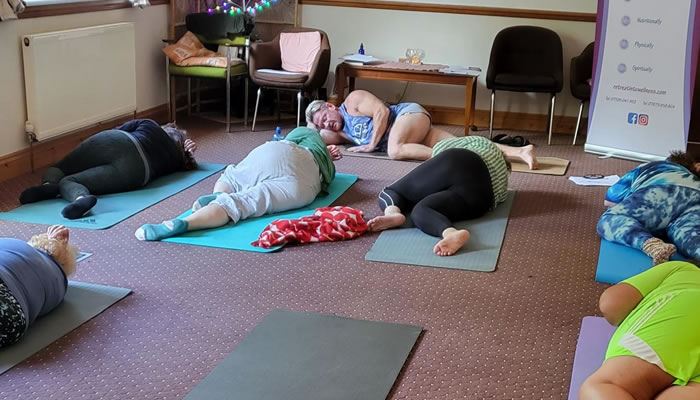
Residential retreats are intended to create space rather than fill every moment. Although there is a planned programme, activities are balanced with meals, rest and time to enjoy the venue.
Depending on the particular retreat, the programme may include:
- Gentle yoga or guided movement
- Breathing and relaxation sessions
- Meditation and personal reflection
- Wellbeing discussions or workshops
- Shared meals and refreshments
- Personal time and countryside walks
The exact programme, venue and inclusions are always confirmed on the individual retreat page.
The Main Stages of a Residential Retreat
Knowing what happens before, during and after your stay can make attending feel much more comfortable.
Before the Retreat
Once your place is confirmed, you should receive practical information covering dates, arrival times, venue details, payment arrangements and what to bring.
This is also the time to disclose dietary requirements, allergies, mobility needs, injuries or relevant health concerns.
During Your Stay
On arrival, you will have time to settle into your room, meet Michael and Stephanie and become familiar with the venue.
The retreat programme will then move through guided sessions, meals, breaks and quieter periods of personal time.
Returning Home
The closing part of a retreat allows time to reflect on the experience and prepare to return to everyday routines.
Guests may leave with relaxation techniques, ideas and simple practices they can continue at home.
How a Retreat Day May Feel
This is a general guide rather than the fixed itinerary for every Retreat Into Wellness event.
A Gentle Start
The day may begin with breakfast, relaxed conversation and a gentle guided session such as movement, breathing or meditation.
Activities and Shared Lunch
Morning activities may be followed by lunch and time to rest, speak with other guests or explore the surroundings.
Afternoon Wellbeing Sessions
The afternoon may include another workshop, relaxation activity or personal reflection, with breaks where appropriate.
Dinner and a Quieter Evening
Evenings are generally more relaxed, with a shared meal, informal time together and, depending on the retreat, a meditation or closing activity.
Guided Activities
Retreat Into Wellness events may include a combination of yoga, gentle movement, breathing, relaxation, meditation and personal awareness activities.
Michael and Stephanie introduce and guide the sessions. You can ask questions and discuss any concern about taking part.
- Clear introductions to activities
- A supportive group environment
- Activities appropriate to the advertised retreat
- Opportunities to ask for clarification
Rest and Personal Space
A residential retreat should not feel like a full timetable of compulsory classes. Rest and quiet time form an important part of the experience.
Guests may use breaks to relax in their room, enjoy the venue, walk outside, read or simply spend time quietly.
- Time between organised sessions
- Space to settle into your accommodation
- Opportunities for quiet reflection
- No pressure to be sociable every moment
Sharing the Retreat with Other Guests
Retreats bring together people with different backgrounds, personalities and reasons for attending.
Arriving Alone
Many people attend a retreat independently. You will not necessarily be the only guest arriving without a friend or partner.
Shared Activities
Meals and guided sessions offer natural opportunities to meet other guests without requiring forced introductions or constant conversation.
Respecting Privacy
Guests should respect one another’s personal space, boundaries and any private experiences shared during retreat discussions.
Who May Enjoy a Residential Retreat?
A retreat may suit someone looking for a break from ordinary routines, gentle wellbeing activities and a supportive setting in which to rest and reflect.
- People attending a retreat for the first time
- Solo guests, friends or couples
- Those seeking relaxation and personal time
- Guests interested in yoga or meditation
- People wanting a countryside wellbeing break
Discuss Your Needs Before Booking
Contact Michael or Stephanie if you have questions about physical activities, access, mobility, injuries, food, accommodation or whether a retreat is appropriate for you.
- Declare important allergies and dietary needs
- Explain relevant mobility or access requirements
- Mention injuries that may affect movement sessions
- Ask about room arrangements before paying
Retreat activities support general wellbeing and are not a replacement for medical assessment, diagnosis or treatment.
Related Residential Retreat Guides
Typical Retreat Itinerary
See a fuller example of how a two-night residential retreat may be organised.
View ItineraryWhat to Pack
Prepare comfortable clothing, personal essentials and useful items for your stay.
View Packing GuideAttending Alone
Read practical reassurance for people attending a wellness retreat without a friend or partner.
Solo Guest GuideFood and Dietary Needs
Understand how retreat meals, allergies and dietary requirements are handled.
Food InformationExplore Our Residential Retreats
View forthcoming retreats or contact Michael and Stephanie to ask about the experience, suitability, room arrangements and booking.